
Puertos del Estado participates in the 37th edition of the International Tourism Fair (FITUR) to welcome both passengers and sports boats, with the possibility of visiting and staying in one of the 187 lighthouses on our coasts.

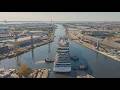
Passenger traffic, which is expected to close 2016 with more than 32.6 million regular line and cruise passengers, of which slightly more than a quarter will be cruise passengers, marking record highs year after year, confirms the upward trend of tourism that values the centrality and convenience of port facilities as the start or destination of their tours through the cities that host them.
Thus, the number of cruise passengers visiting Spanish ports exceeded 8 million in the first eleven months of 2016, a 2.2% increase compared to the same period of the previous year. Based on these figures, forecasts indicate that the year will end with a new all-time high, surpassing 8.7 million cruise passengers and 4,000 cruise ships.
In addition to the traditional cruise offering, there are marinas that provide nearly 1/3 of the more than 100,000 moorings on the Spanish coast, always located in central areas of cities, and the possibility of accessing accommodations that will be created in many of the 187 lighthouses that exist on our coasts.
– Ports: A Decisive Contribution to Spanish Tourism
Spain's state-owned ports are being showcased at the FITUR international tourism fair as a unique way to explore the country. Under slogans such as "Blue Carpet: Immerse yourself in Spain through its ports," "Marinas, in the heart of the city," and "Lighthouses of Spain, our destinations are star-studded," the presentation highlights our ports and lighthouses, featuring modern, competitive facilities, strategically located along routes to major tourist destinations, and situated in areas with breathtaking landscapes. These ports are equipped to handle cruise ship traffic and recreational boating with the highest standards of quality, safety, and service, and offer ideal starting points for exploring our cities and the rest of Spain.
The government has made a significant effort to convince shipping companies and tour operators of the excellent option of including Spanish ports in their routes. In addition to the tariff reductions and discounts implemented in recent years, other measures have been taken, such as extending concession periods for companies undertaking new investments in their facilities, and freezing tariffs.
To all this must be added the effort deployed by local councils and tourism organizations at the local and regional level, which have devised interesting routes and offers to discover the cultural offerings of their cities or provinces in the few hours or days they spend in the ports.
According to reports published by the Cruise Lines International Association (CLIA), the economic impact of the cruise sector in Spain amounts to a business volume exceeding 1.255 billion euros, generating a total of 26,389 jobs.